
Another fraud incident involving an impersonation of the credit union member got covered by the media in the Winnipeg Free Press and the SteinbachOnline.com website. Here is an excerpt from the Winnipeg Free Press story written by reporter Scott Billeck.
In a subsequent email viewed by the Free Press, an SCU assistant manager of compliance told the woman a review found the credit union’s contact centre had received a request from a caller claiming to be her. The caller was able to complete the authentication process, according to the email.
The email also acknowledged such an incident could shake a “member’s confidence” in the institution and their “sense of security.”
The woman said the concerns extend beyond herself.
“I also told them that they have a problem and they’re not telling anyone. Shame on you. These credit unions purport themselves to be for the people, by the people. I said if I was newcomer, if I was a recent immigrant, and if I was a young single mom and I didn’t know how to play your game, I’d have no money right now.
“This is a larger issue,” she said. Earlier in the week, the Free Press received another tip that an SCU member had been scammed out of $15,000 through a compromised account and that the money was sent out via a bill payment.
The tipster said that four others they know had experienced a similar situation, with about $300,000 being lost.
Beyond what happened here and where the liability should fall on the member victim or the credit union that may have been able to stop the fraud, one of the refreshing messages in the story done by the SteinbachOnline.com’s Darci Wilkinson (see the story below) is the credit union’s willingness to acknowledge financial fraud is an issue and offer suggestions to the public on how to take steps to avoid becoming a victim.
Too often, financial institutions do not respond in any meaningful manner and take no responsibility for anything that happened on their watch. The incident tends to get steered towards what the victim did despite them being under the influence of a professional scammer who convinced them that everything was real and legitimate.
The other important message in this specific scam is that the victim wants to warn others of how to recognize a scam, so they do not fall victim to a scam being attempted on them. Too often scam victims do not report their scam as feel ashamed and embarrassed.
On a final point, after you read this story about how SCU is responding to it in the media, you do find the statement credible that this credit union is taking member fraud seriously.
Hopefully better procedures (i.e., multi-layer authentication) will prevent victims like this Winnipeg single mother from incurring the financial hardship she experienced because of the fraudsters successful attempt to gain access to her savings account.
SCU member warns others after losing nearly $10,000 to scam
Darci Wilkinson, SteinbachOnline.com
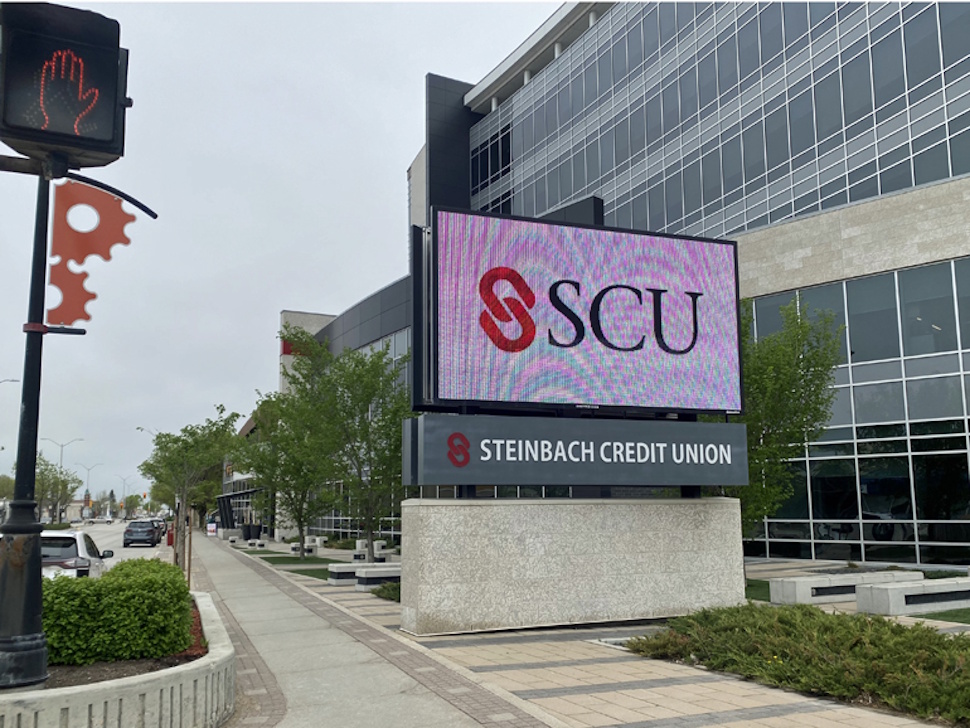
A Winnipeg woman and single mother is warning others after she says a scammer stole nearly $10,000 from her Steinbach Credit Union account.
The case was first reported by the Winnipeg Free Press, which detailed how the woman was deceived by someone posing as a representative of the credit union.
According to the Free Press, the caller appeared to have information that made the communication seem legitimate. The woman followed instructions from the caller before discovering that thousands of dollars had been removed from her account.
The woman told the newspaper the loss has created significant financial hardship for her family. She is now sharing her experience in hopes of preventing others from falling victim to a similar scheme.
The Free Press reported that the woman has also raised concerns about how the transactions were allowed to proceed and how her fraud claim was handled.
SCU responds
Senior Manager, Content and Communications with SCU Melissa McCann says the credit union recognizes the impact fraud can have on its members.
“We investigate reports of suspected fraud as they arise and take immediate action when concerns are identified. When fraud happens, we work with impacted members on a case-by-case basis to understand what happened and what we can do to support them.”
Related Stories:
McCann says protecting members from fraud is a responsibility SCU takes seriously. She notes the credit union has multiple layers of security, monitoring, and account protection controls designed to help safeguard member accounts.
“Fraud continues to evolve across the financial services industry, with criminals using increasingly sophisticated methods to gain unauthorized access. Because fraudsters continually evolve their tactics, we regularly review and strengthen our controls and processes to help address emerging threats.”
Tips for protecting yourself
McCann says education and awareness remain important tools in helping prevent fraud. SCU provides resources and information at scu.mb.ca/fraud to help members recognize scams and protect themselves.
Members are encouraged to remain vigilant and take proactive steps to protect themselves from fraud, including:
Being cautious when clicking links or responding to unsolicited emails, texts, or phone calls.
Never sharing passwords, authentication codes, or security information.
Monitoring accounts regularly.
Using alerts and notifications available through digital banking to stay informed of account activity.
Contacting SCU immediately if they suspect suspicious activity or believe they may have been targeted by a scam.
McCann says common warning signs can include unexpected requests for personal information, pressure to act urgently, unusual account activity, requests to share authentication codes, or communications that seem unusual or inconsistent.
She explains that if something does not feel right, it is important to slow down and ask questions. Anyone who believes they may have been targeted by a scam should contact their financial institution immediately.
“Acting quickly can help limit potential impacts and allow appropriate protective measures to be taken,” she says.
Suspected fraud can also be reported to local police and the Canadian Anti-Fraud Centre.