Toronto Police Service financial crimes detective David Coffey should be commended for speaking out on this CTV news report which can be misleading in inferring thorough a Statistics Canada report that fraud is down.
You need to look behind the numbers and so many frauds are never even reported with victims too embarrassed and humiliated to admit they were duped and lost a lot of money in the process. The losses in Toronto are staggering.
The other very important message Coffey delivers here is Canada is not keeping pace on effectively countering financial fraud. This paragraph from Coffey’s post is worth repeating here.
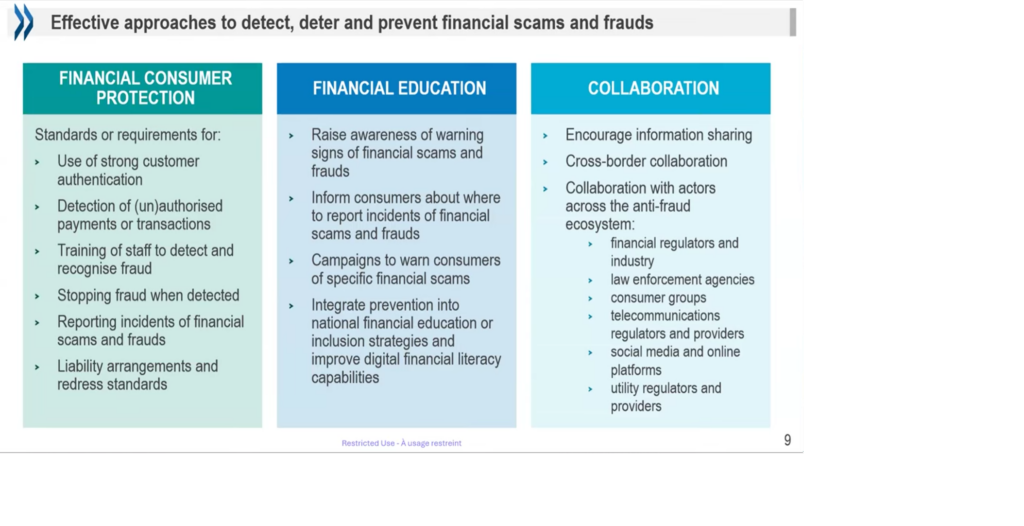
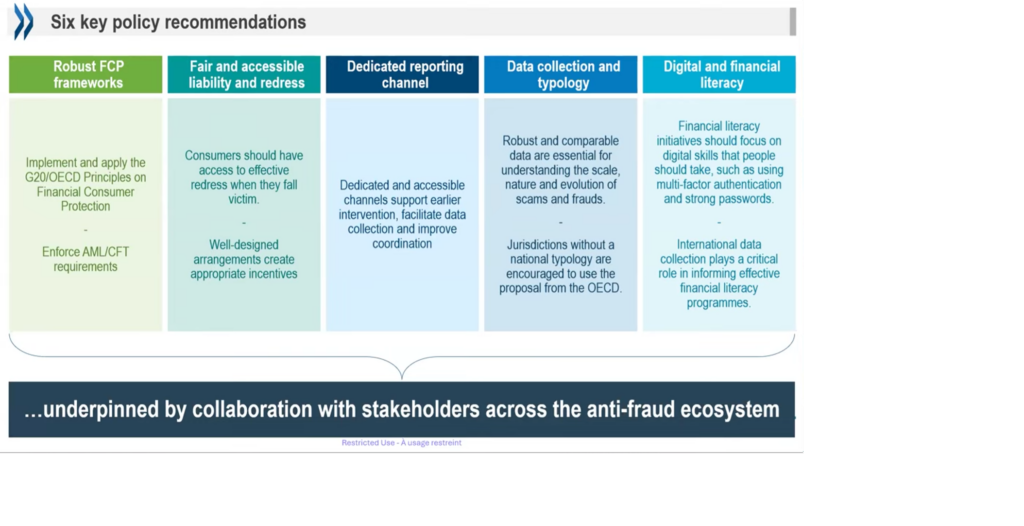
This emphasizes the urgent need for a modernized Canadian response, including legislative reform, appropriate information-sharing authorities, specialized law-enforcement resources, prosecutors and courts equipped for complex financial crime, stronger international cooperation, and meaningful obligations across the private sector.
Canada needs to look to other countries like the UK and Australia where they are starting to see noticeable reductions in consumer fraud based on actions they are taking.
That conclusion is not merely misleading. It is dangerous.
Statistics Canada reports that the police-reported rate of fraud declined four per cent in 2025. I dispute the value of this data as a meaningful measure of fraud and the conclusion being drawn from it.
Fraud is one of Canada’s most significantly underreported crimes. Statistics Canada acknowledges this, yet an incomplete count of police-reported incidents is being presented as evidence that fraud itself is declining.
In Toronto, while the number of reports declined slightly in 2025, the resulting financial losses increased dramatically. Toronto Police received 16,403 fraud reports, with losses reaching $430.9 million.
As of today, July 23, 2026, Toronto Police have already received just over 11,000 reports, with losses of $273 million. That puts Toronto on pace for approximately 19,700 reports and $488 million in losses, representing a 20 per cent increase in reports and a 13 per cent increase in losses over 2025.
And yet Canadians are being told that fraud is down.
Police-reported data does not capture frauds that are never reported, reports made only to financial institutions, unsuccessful attempts, the complete financial impact, or the emotional and psychological devastation experienced by victims.
The decline in criminal charges is equally alarming when placed in the context of rising reports and losses. Fewer charges do not necessarily mean fewer crimes. They may demonstrate that our existing systems are increasingly unable to identify, investigate, prosecute and disrupt those responsible.
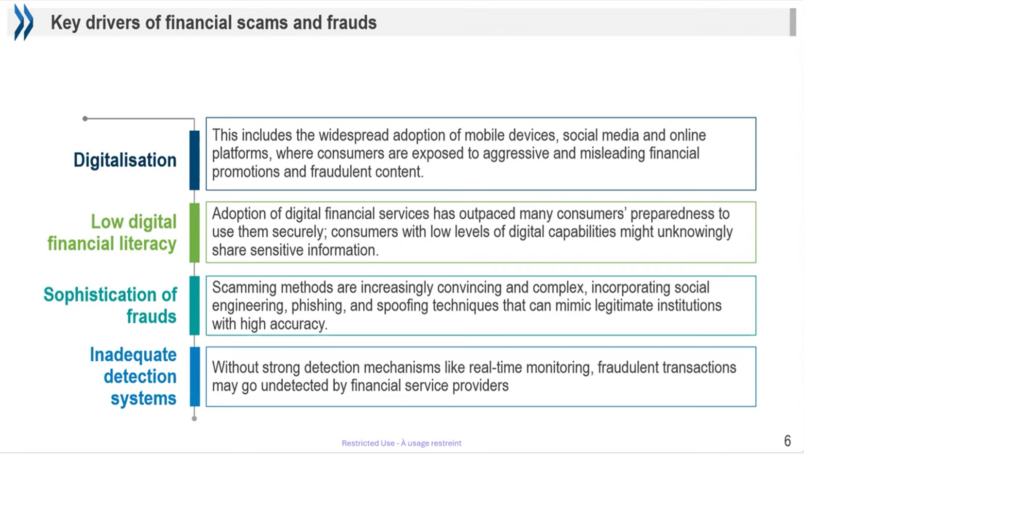
Fraud is digital, borderless, industrialized and multinational. Criminal networks can target thousands of Canadians from outside the country, move stolen funds across institutions and jurisdictions, and conceal their activities behind technology and recruited intermediaries.
This emphasizes the urgent need for a modernized Canadian response, including legislative reform, appropriate information-sharing authorities, specialized law-enforcement resources, prosecutors and courts equipped for complex financial crime, stronger international cooperation, and meaningful obligations across the private sector.
This is not about creating panic or paranoia. It is about ensuring Canadians are alert, informed and equipped to protect themselves. Canadians are being targeted every day, and misleading conclusions increase their vulnerability at precisely the time when we all need to be on guard, armed with knowledge and awareness.
Calling this incomplete picture “fraud is down” is indefensible.
Fraud has evolved. Canada’s response has not kept pace.